Home › Masonry Restoration and Historic Preservation
We perform historic masonry restoration in Grand Rapids, MI for older commercial and institutional buildings. Our team uses compatible materials and methods to repair brick and stone without harming original fabric. Preserve architectural character while improving safety and performance with careful restoration work.
Superior Masonry Grand Rapids provides professional historic masonry restoration throughout Grand Rapids, MI, Michigan and the surrounding area. Our licensed, insured crew delivers safe, clean, on-time work with a free estimate before anything begins. Call (616) 552-4306 or request your free quote.
Masonry Restoration in a Grand Rapids Climate
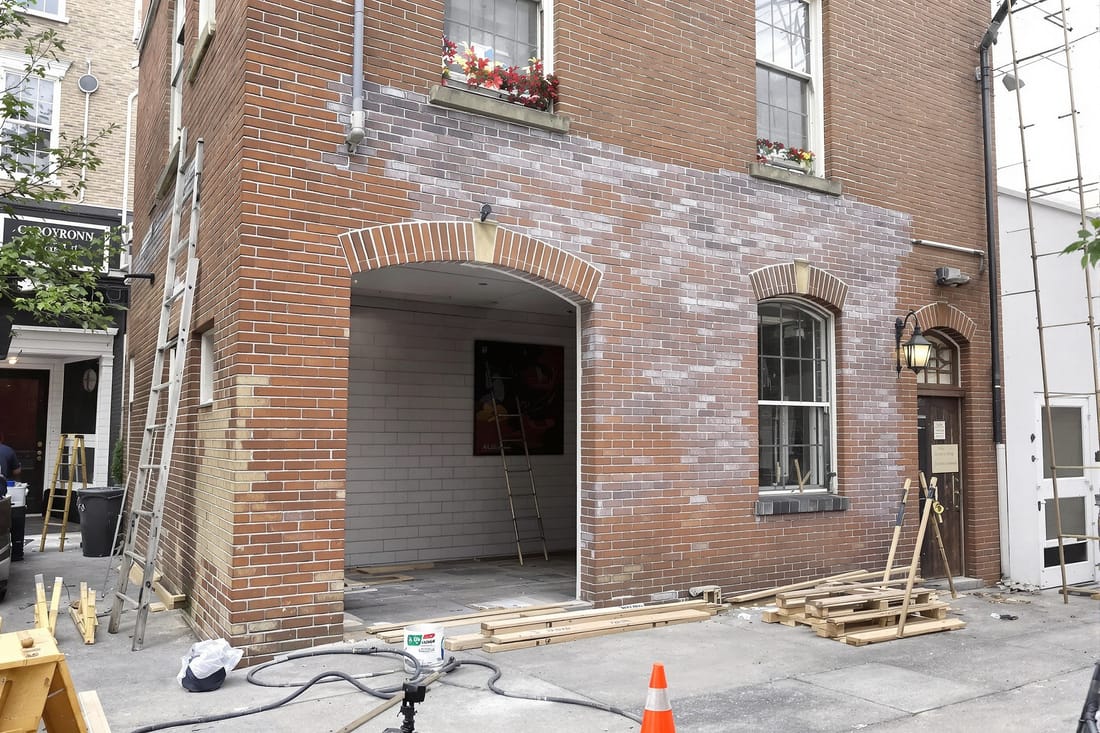
Historic masonry in Grand Rapids takes a beating from our freeze-thaw cycles, lake-effect moisture, and salt used on sidewalks and streets. At Superior Masonry Grand Rapids, we focus restoration and preservation work around how brick, block, and stone actually age in West Michigan, not in some ideal lab setting.
In our climate, water is the main enemy. It gets into tiny cracks in brick faces and mortar joints, then expands when it freezes. That is what leads to spalling brick, crumbling mortar, and those white salt stains (efflorescence) you may see on your walls or chimney. Part of our historic masonry restoration process is always tracking where water is coming from and how it is getting trapped, whether from overflowing gutters, missing chimney caps, bad caulk around windows, or hard cement patches someone added years ago.
We look at how earlier repairs have affected the structure. Many older homes and churches in Grand Rapids, Eastown, Heritage Hill, and surrounding neighborhoods were built with softer brick and lime-based mortar. When those get repaired with modern, dense mortar or non-breathable sealers, the brick ends up absorbing extra stress. Superior Masonry Grand Rapids tests mortar hardness and checks brick condition so we can match materials that let the wall breathe the way it was meant to.
Seasonal timing matters. Exterior restoration work is usually scheduled for spring through late fall in Grand Rapids, when nighttime temperatures stay above freezing and we can keep materials within the right curing range. Interior preservation tasks, like structural stabilization from the basement side or restoring interior brick walls, can often continue in winter. We plan work phases to fit both the weather and your schedule, especially if the building is occupied.
How We Inspect and Plan a Historic Masonry Restoration
A proper masonry restoration starts with a thorough assessment, not a quick look from the sidewalk. Superior Masonry Grand Rapids starts by walking the full building, including alleys and rear elevations, because damage often shows up first in hidden areas. We take photos, check joints and bricks by hand, and look for patterns like bulging walls, stair-step cracks, and sagging sills.
On older Grand Rapids properties we often find a mix of brick types and mortar styles from different eras. For example, a 1920s brick home in Alger Heights might have softer face brick on the street side and harder common brick on the sides and rear. We note these changes so we can match the right repair method to each section instead of using one approach everywhere.
Moisture testing and salt build-up are a big part of our planning. Efflorescence, damp interior plaster, peeling paint, or musty basement smells all point to water migration through the masonry. We may use simple tools like moisture meters or drill tiny test holes in non-visible areas to understand the depth of damage. This helps us decide whether we are dealing with surface issues that can be cleaned and repointed or deeper problems that require partial rebuilds or drainage changes.
Once we understand the structure, we outline a step-by-step scope that separates “must do now” structural items from “can be phased later” cosmetic items. For many Grand Rapids homeowners and property managers, working in stages is what keeps a historic masonry restoration realistic for the budget. Our written plan will typically list problem areas by elevation, describe the repair method for each, estimate quantities of joint work and brick replacement, and note any access needs like scaffolding or lifts.
For historically significant buildings, such as churches, schools, or downtown storefronts, we can coordinate with architects or historic consultants. Superior Masonry Grand Rapids will provide samples, documentation of existing conditions, and mockups of cleaning and mortar options so that approving bodies or boards can see and sign off on the work before we start large areas.
Cleaning, Repointing, and Brick Repair Techniques
Most historic masonry restoration projects in Grand Rapids involve three main tasks. The first is careful cleaning, the second is repointing the mortar joints, and the third is brick or stone repair and replacement.
Cleaning is more than just spraying a wall. Old brick can be burned or etched if the wrong chemical or pressure is used. We usually start with test patches in a discreet area using low-pressure water and gentle masonry detergents. For heavy soot, biological growth, or graffiti in urban areas, we might use specialty cleaners that are safe for historic brick and stone, sometimes combined with soft-bristle brushing. Abrasive blasting is almost never appropriate for older brick, and we will tell you directly if a requested method could do more harm than good.
Repointing is where most of the preservation value lies. Superior Masonry Grand Rapids removes failing mortar to a proper depth, often 2 to 2.5 times the width of the joint, using hand tools or low-vibration grinders with vacuum attachments to cut down dust. On lime-based mortars we favor hand chisels to prevent chipping the edges of the bricks. We then clean out joints with compressed air and water as needed so new mortar can bond fully.
We match mortar in three ways: color, texture, and strength. Color is adjusted using natural sands and pigments so the finished joints blend with the original look. Texture comes from sand gradation and how the joints are tooled, for example, concave, flush, or struck joints, depending on the style of your building. Strength is critical for longevity in our freeze-thaw climate. Older Grand Rapids buildings often need mortar that is softer than modern mixes so that any movement or moisture stress goes into the joint, not into the brick. We can use lime-rich or NHL (natural hydraulic lime) blends where appropriate.
For spalled, cracked, or loose bricks, we remove units carefully and look at the backing masonry. If the inner wythe is sound, we source replacement bricks that match size and appearance as closely as possible using local suppliers and reclamation yards. When exact matches do not exist, we may blend new and salvaged units in a staggered pattern so the patch does not stand out as a solid block of new material. Our goal is to stabilize the wall and keep the character of the building intact.
Chimneys, piers, and parapet walls usually need extra attention because they are more exposed to wind and water. On these, we often rebuild the top section using improved flashing details, proper caps, and sometimes internal flue liners or crowns to shed water more effectively.
Historic Preservation, Structural Concerns, and Cost Factors
Preserving historic masonry in Grand Rapids is not just about looks. Many older buildings predate modern structural standards and have settled over time. Superior Masonry Grand Rapids routinely addresses structural issues as part of restoration so you are not simply hiding deeper problems.
When we see stair-step cracking, bowing walls, or out-of-plumb chimneys, we consider whether the movement is active or long since stabilized. This can involve monitoring cracks, checking the condition of foundations and footings, and sometimes coordinating with an engineer. Reinforcement could include stainless steel helical ties, rebuilding damaged sections from the top down, or adding discreet anchoring between exterior brick and interior framing.
Cost in historic masonry restoration is driven mostly by access, labor intensity, and how far deterioration has gone. A third-floor downtown facade that needs a suspended scaffold will cost more per square foot than a one-story garage wall. Hand removal of old hard mortar takes more time than grinding out deteriorated lime joints. Matching specialty bricks or carved stone around entryways often requires custom fabrication or selective salvage, which can raise material costs.
What helps control cost is doing the right project at the right time. If you address early signs, such as mortar hairline cracks, damp interior plaster near exterior walls, or small areas of brick flaking, the repair is usually limited to surface work and repointing. Waiting until bricks are falling or the wall is bulging can mean partial rebuilds, heavy equipment, and longer downtime for the space.
For building owners in historic districts or with tax credit projects, documentation is important. Superior Masonry Grand Rapids can provide before-and-after photos, descriptions of materials used, and invoices broken down by elevation or work type, which can support grant or credit applications. We are familiar with typical requirements in older Grand Rapids neighborhoods and downtown properties, and we work to align our methods with preservation guidelines without overcomplicating the process for you.
We always provide straightforward estimates that spell out quantities, access assumptions, and what is included or excluded. If you are comparing quotes, ask each contractor how deeply they plan to cut out mortar, what type of mortar they will use on your specific building, and how they will source replacement brick. Those details matter more than the final number alone.
What Grand Rapids Property Owners Should Know Before Hiring
Before you hire anyone for historic masonry restoration, it helps to walk your building with a critical eye. Note where you see cracks, missing mortar, flaking brick, staining, or water leaks. Pay attention to problem spots like the tops of walls, corners, under window sills, and along rooflines or parapets. The more you can point out, the easier it is for Superior Masonry Grand Rapids to address your real concerns during our site visit.
Ask potential contractors about experience with older brick and lime mortars and whether they have restored buildings of a similar age and style here in Grand Rapids or nearby cities like Wyoming, Kentwood, or Rockford. You want someone who can explain why certain mortars or sealers are wrong for soft brick and who is willing to run test patches for cleaning or color matching, not just promise to “make it look new.”
Permits and approvals may be needed for some projects, especially for downtown storefronts, churches, or properties in historic districts. We can help you understand when you may need city review or coordination with a preservation board before starting work. Planning this early keeps your project on schedule and avoids surprises.
Finally, understand that quality historic restoration is detail-heavy. Work often looks slow from the street because skilled masons are cutting out joints by hand, blending mortars, and fitting brick units individually. That care is what allows a restored masonry wall to last for decades in Grand Rapids weather instead of failing again after a few winters.
Superior Masonry Grand Rapids welcomes questions about process, materials, and scheduling. We prefer homeowners, facility managers, and boards who want to understand what is happening to their building. If you are ready to look at your options, we can schedule an on-site evaluation, explain which items are urgent and which can wait, and put together a restoration plan that respects your building’s history and your budget.