Home › Tuckpointing and Repointing
We provide tuckpointing in Grand Rapids, MI to restore crumbling or missing mortar joints in brick walls and chimneys. Our masons match existing mortar color and profile for a seamless repair. Protect your home from water intrusion and extend the life of your masonry with expert repointing.
Superior Masonry Grand Rapids provides professional tuckpointing throughout Grand Rapids, MI, Michigan and the surrounding area. Our licensed, insured crew delivers safe, clean, on-time work with a free estimate before anything begins. Call (616) 552-4306 or request your free quote.
Tuckpointing and Repointing for Grand Rapids Brick and Block
Most masonry in Grand Rapids is old enough that the mortar is weaker than the brick. When the joints start to crack or fall out, the structure relies on damaged mortar and that is when you need tuckpointing or repointing.
Tuckpointing is the process of removing deteriorated mortar joints and installing new mortar to restore the wall’s strength and appearance. Repointing is essentially the same work, but the focus is more on structural repair than appearance. At Superior Masonry Grand Rapids, we handle both, from cosmetic joint repair on historic homes near Heritage Hill to structural repointing on commercial buildings and garages.
On this page, we explain how the work is actually done, what affects cost, and how we handle common West Michigan problems like freeze-thaw damage, efflorescence, and mismatched mortar colors.
How We Actually Perform Tuckpointing Step by Step
Our tuckpointing process is straightforward and methodical, designed to protect the surrounding brick and block.
1. Inspection and joint sounding: We walk the entire area, tapping joints with a hammer and using a pointing tool to find hollow or soft spots. We check for bulging walls, stair-step cracks, loose bricks, chimney movement, and water entry points around windows, sills, and caps.
2. Depth marking and layout: We mark loose joints and decide how deep to grind, typically 3/4 inch to 1 inch or until we reach solid mortar. On older Grand Rapids homes with soft brick, we often reduce grinding depth slightly to protect the facing.
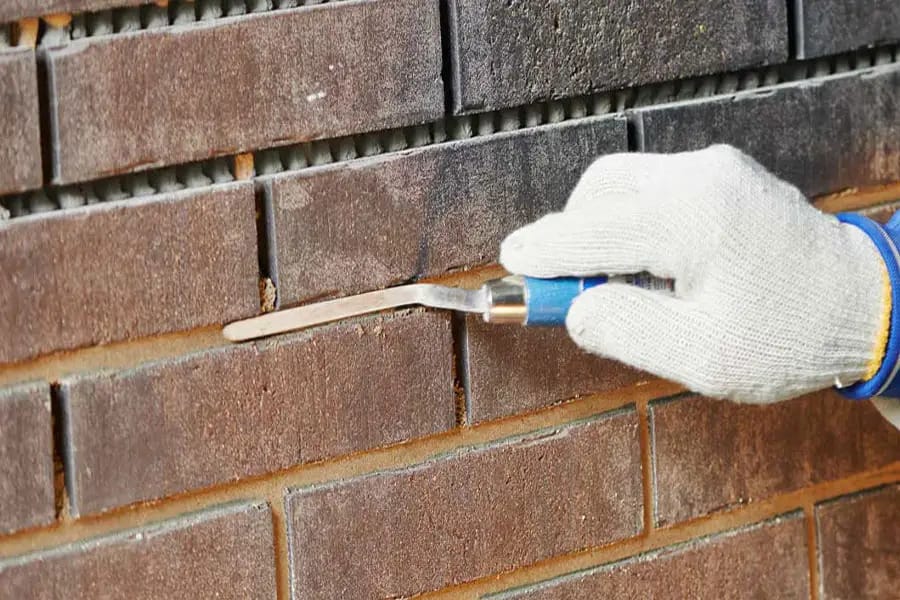
3. Mortar removal: Using tuckpointing grinders or chisel and hammer, we remove deteriorated mortar from horizontal and vertical joints. We control dust with vacuums and, where needed, wet methods. We avoid overcutting into the brick, which is a common shortcut that causes long-term damage.
4. Joint cleaning: We wire-brush the joints and blow out dust with compressed air. Clean joints are critical. If dust is left in the joint, the new mortar will not bond properly and can pop out after a few winters.
5. Pre-wetting the masonry: We lightly dampen the brick so it does not suck the moisture out of the fresh mortar too fast. This matters in Michigan, where quick-drying on a warm, windy day can cause hairline cracks.
6. Installing new mortar: We pack new mortar into the joints in layers, compressing firmly so there are no voids. Joints are tooled to match the existing profile, such as concave, flush, or weathered. For chimneys, we focus on tight, dense joints that resist water.
7. Final cleaning and cure: Once the mortar sets, we brush the wall and, if needed, gently clean the brick face. We do not acid-wash soft historic brick. We then let the joints cure properly before any sealing or additional work.
Mortar Matching, Color Choices, and Material Options
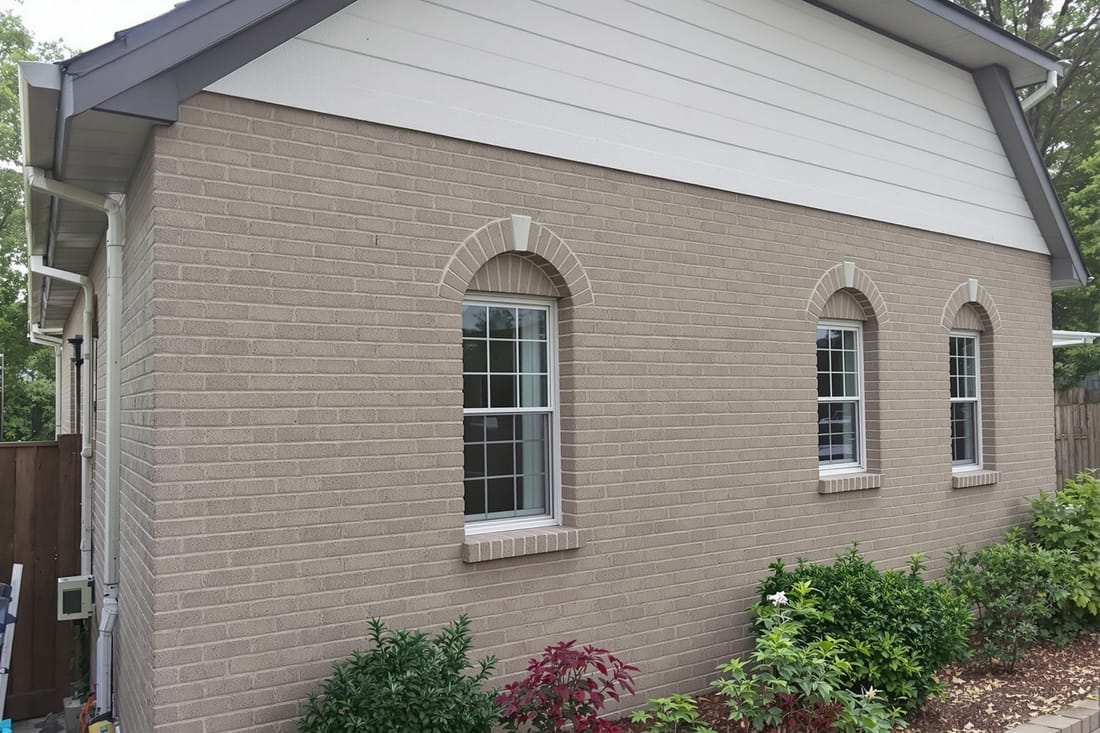
Grand Rapids has a wide mix of masonry: red and orange brick in Heritage Hill, tan and brown brick ranch homes from the 1950s to the 1980s, and modern veneers on newer construction in places like Kentwood and Wyoming. A one-color-fits-all approach makes repairs obvious and hurts curb appeal.
At Superior Masonry Grand Rapids, we start by identifying the original mortar type. Many pre-1940 homes used softer lime-rich mortars, while newer homes typically use harder Portland cement based mortar. We match not just color, but hardness. Using mortar that is too hard can cause the bricks to crack instead of the joints.
Color matching involves several steps. We compare sand grain size and color, cement shade, and any pigments in the existing wall. We then mix small test batches and place sample joints in a discreet area. Mortar cures lighter than it looks when wet, so we allow for that change. Our goal is that, from the street, new joints blend into the original work.
You can also make design choices. On some projects, owners choose a slightly different joint color to intentionally highlight a repair zone, especially on garden walls or accent areas. On others, like front facades or historic homes, we work to make the repair as invisible as possible. We also match joint profiles and textures, which is often overlooked but makes a big visual difference.
For our tuckpointing mixes, we use masonry cements or custom-blended lime and Portland combinations depending on the age of the structure, exposure to weather, and whether the wall is structural or just a veneer. All materials are rated for freeze-thaw conditions common in West Michigan.
What Drives Tuckpointing Cost in Grand Rapids
Tuckpointing prices vary by project because conditions vary a lot across the city and suburbs. When Superior Masonry Grand Rapids gives an estimate, we are looking at specific factors, not just square footage.
1. Access and height: A single-story ranch in Wyoming or Kentwood is faster to set up on than a three-story brick home or tall chimney in East Grand Rapids. More height means more scaffolding or lift time and more labor.
2. Extent of deterioration: Hairline cracks and surface erosion cost less to fix than deep missing joints and loose bricks. If previous repairs used the wrong mortar or sloppy techniques, we must carefully remove that material before installing new joints.
3. Brick or block condition: If bricks are spalled (faces popping off) or shifted, we may need to reset units or rebuild sections before repointing. That adds material and time.
4. Location of the work: Chimneys, parapet walls, and exposed corners typically show more weather damage and require more careful work and sometimes additional waterproofing. Basement walls and garden walls present different moisture issues we must account for.
5. Mortar matching complexity: Simple standard gray mortar is quicker to match. Historic lime mortars or multi-color blends near downtown or in older neighborhoods require extra test batches and fine adjustments.
6. Weather and timing: In Michigan, we schedule tuckpointing for conditions where mortar can cure correctly. If the work must be done late fall or early spring, we sometimes need cold-weather measures, which can affect cost.
We explain these cost drivers clearly so you know where your money goes. Our estimates separate tuckpointing from any additional brick replacement, chimney cap work, or sealing, so you can see the options.
Common Masonry Problems We See Locally and How We Fix Them
Grand Rapids has a freeze-thaw climate, lake-effect moisture, and plenty of older masonry. Superior Masonry Grand Rapids has seen the same patterns across hundreds of jobs, and our tuckpointing and repointing process is tailored for those conditions.
Freeze-thaw joint failure: Water gets into tiny cracks, freezes, and expands. Over several winters, joints open up. We cut back to sound mortar, install new joints, and in high-exposure areas we may recommend a breathable masonry sealer once the mortar has cured.
Chimney leaks and staining: Many brick chimneys in the area have cracked crowns, open joints, or gaps around the flashing. We often combine repointing of the chimney stack with crown repair or replacement and, if needed, new counterflashing. The goal is to stop water from traveling through the joints and into the attic or ceiling.
Efflorescence and white staining: Salt deposits show that water is moving through the wall. Simply washing it off does not solve the problem. We track the water path, address grading or gutter issues if they are part of the cause, and repoint open joints to stop the moisture migration.
Settling cracks and stair-step patterns: Older foundations and porches often move slightly. If we see active movement, we may recommend a structural review. When the movement has stabilized, we remove cracked joints, replace any broken bricks, and repoint with a mortar that can handle minor movement without crumbling immediately.
Previous bad repairs: We frequently see joints smeared over the surface of the brick, overly hard mortar used on soft brick, or mismatched colors that stand out. Correcting this often means carefully grinding out shallow overlays and installing new joints to restore a proper profile and bond.
What Grand Rapids Property Owners Should Consider Before Hiring
Before you hire anyone for tuckpointing or repointing in Grand Rapids, it helps to know what to look for and what to ask.
Ask how they remove the old mortar. The answer should include grinding or chiseling to a consistent depth, not just smearing new mortar over old joints. Quick skim coats fail fast in Michigan weather.
Ask about mortar matching. A qualified contractor should talk about matching color, hardness, and joint profile to your existing wall, especially if your home is older or in a visible area. If they only mention color, that is incomplete.
Ask for local examples. Superior Masonry Grand Rapids can point you to completed tuckpointing jobs in neighborhoods across Grand Rapids, from older brick homes near Eastown to commercial buildings along Division Avenue. Seeing similar work in person can help you set expectations.
Confirm they understand local weather conditions. Mortar needs specific cure times and temperatures. We schedule work so it is not exposed to hard freezes during early curing and we adjust mixes and methods for hot, dry, or windy days.
Clarify scope in writing. A clear proposal should state which walls, chimneys, or sections are included, how deep mortar will be removed, whether brick replacement is included, and if any sealing or waterproofing is recommended or excluded.
If you want an assessment of your brickwork or are seeing cracks, loose joints, or water staining, Superior Masonry Grand Rapids can inspect the masonry, explain what is happening in plain terms, and provide a tuckpointing or repointing plan that fits the age and style of your property.