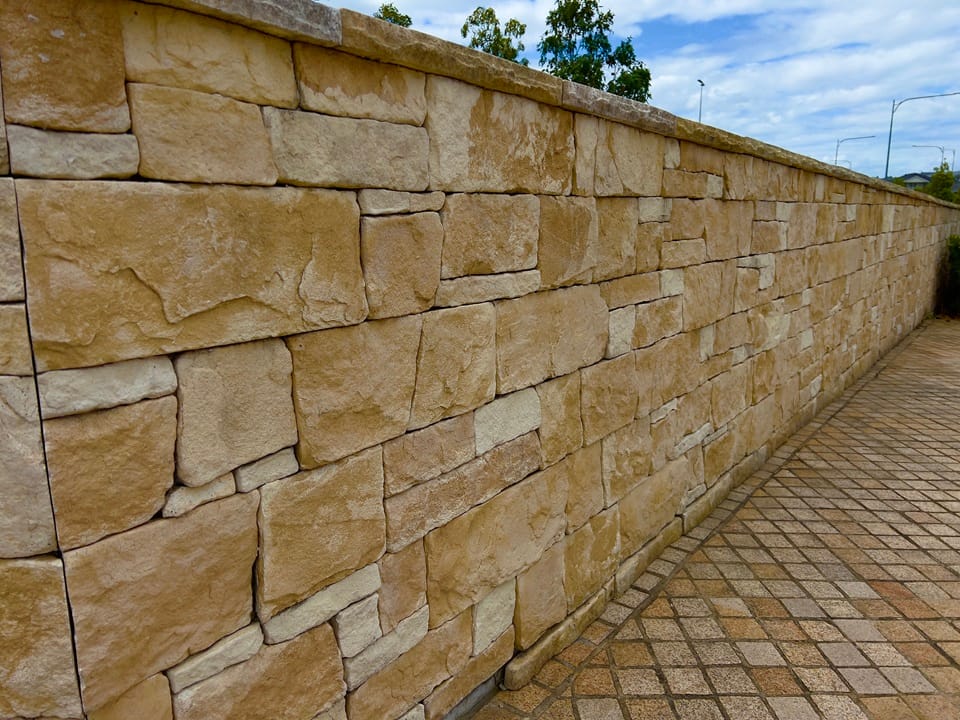
We provide custom stone masonry in Grand Rapids, MI using natural and manufactured stone for walls, accents, and outdoor features. Our masons carefully select and set each stone for strength and beauty. Upgrade your home with timeless stonework that blends with your landscape and architecture.
Superior Masonry Grand Rapids provides professional stone masonry throughout Grand Rapids, MI, Michigan and the surrounding area. Our licensed, insured crew delivers safe, clean, on-time work with a free estimate before anything begins. Call (616) 552-4306 or request your free quote.
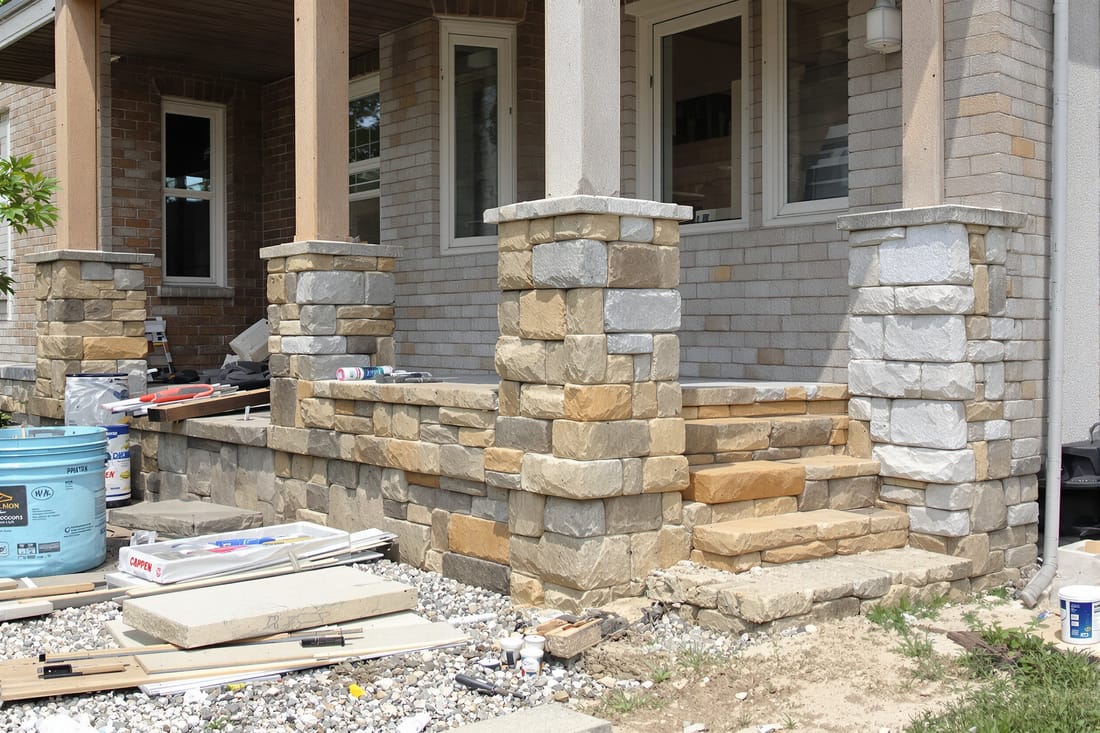
Stone masonry for Grand Rapids homes and businesses
Stone masonry is one of the most durable ways to build or update a property in Grand Rapids, but it has to be done correctly for our freeze‑thaw climate. At Superior Masonry Grand Rapids, we focus on stone work that fits the age and style of your building, from older heritage homes near Heritage Hill to newer commercial properties in the suburbs.
We handle both natural stone and manufactured stone veneer. Natural stone, such as fieldstone, limestone, or granite, is ideal for exterior walls, landscape walls, and heavy‑duty steps. Manufactured stone veneer is lighter and often the better choice for accent walls, chimney faces above the roofline, or updating tired brick fronts without adding too much weight.
When you contact Superior Masonry Grand Rapids about stone masonry, we start by asking how the space is used, what condition the existing structure is in, and how much maintenance you want to deal with long term. An older block foundation in Grand Rapids will need a different approach than a newer wood‑framed wall. We inspect for moisture issues, bowing walls, and crumbling mortar so the stone finish has a solid backing and does not crack or separate after a few winters.
How we actually build with stone in West Michigan conditions
Good stone masonry is as much about what you do before setting the first stone as it is about the finished look. Our crews begin by preparing a stable base or backup wall. For outdoor work like retaining walls, steps, or seat walls, this means excavating to the proper depth, placing compacted gravel, and setting a frost‑protected foundation so the wall does not heave when Grand Rapids temperatures swing above and below freezing.
For veneers on homes and commercial buildings, we first make sure the structure behind the stone is sound. Over wood framing we install a proper moisture barrier, flashing around windows and doors, and a metal lath or suitable mechanical anchors. Over concrete or block we clean the surface, repair cracks, and sometimes add a bonding agent so the mortar grabs tightly. Skipping these steps is why you see stone panels fall off or bulge on some buildings after only a few years.
Once the base is set, we lay out the stone patterns on the ground before mortaring. With random fieldstone we pre‑fit the pieces like a puzzle so the joints are not all the same width and there are no long vertical seams. With cut stone or veneer panels we check courses for level and line so the finished wall does not wander or stair‑step. We mix mortar suited to the stone type and exposure, then butter each stone, press it into place, and tool the joints for proper water shedding.
For steps and walkways, we pay close attention to tread depth and riser height so the stairs are comfortable and safe to use in winter boots. Joints are sloped slightly or tooled so water drains instead of sitting and freezing in place. Details like these are what keep the work performing well through West Michigan winters.
Design choices that affect cost, look, and longevity
Stone masonry projects in Grand Rapids vary widely in cost and appearance based on the materials and details you choose. Superior Masonry Grand Rapids walks you through those options so you know what you are paying for and why.
Material choice is usually the biggest driver of cost. Full‑bed natural stone is heavier, takes more labor to install, and may require a beefier foundation or wall support. It costs more upfront but provides a very long service life and can handle more abuse. Manufactured stone veneer is more budget‑friendly, easier to install on upper stories or over existing siding, and gives a big visual change without major structural changes.
Stone shape and pattern affect both the look and the labor. Ashlar (rectangular cut stone) and ledgestone (long, narrow pieces) give a clean, modern look but require more cutting to keep courses straight. Fieldstone and rubble patterns use more irregular shapes and can look more rustic, which works well on older farmhouses and cottages around the Grand Rapids area. Complex patterns, tight joints, or elaborate archways take more time and skill and will increase the project cost.
Mortar color and joint style matter more than most people expect. A light mortar against dark stone makes the pattern stand out. A darker mortar blends the joints and lets the stone itself dominate. Joint profiles, such as concave, flush, or raked, change how water sheds from the wall. For exterior work in Michigan, we usually recommend a tooled joint that sheds water rather than a deeply raked joint that can hold moisture and road salt.
Access and site conditions also affect pricing. A backyard retaining wall that requires moving stone by hand or wheelbarrow will cost more than a front yard project we can reach with a loader. If we are working around established landscaping, tight property lines, or steep grades, we factor in the extra protection and time needed.
Common stone masonry problems we fix in Grand Rapids
Many of our stone masonry calls in Grand Rapids are not new installations, but repairs to older work that has suffered from weather, salt, or poor construction. Superior Masonry Grand Rapids is familiar with the typical issues we see in this area and how to fix them in a way that lasts.
One common issue is stone veneer pulling away from older block or brick. This is often caused by inadequate anchoring or using the wrong mortar. We remove loose sections, clean the backing wall, install proper anchors or lath, and reset the stone with a compatible mortar mix. We also add weep joints and flashing to give water a way out instead of letting it sit behind the veneer.
Spalling stone or mortar around steps and porch faces is another frequent problem. Chloride de‑icers, combined with freeze‑thaw cycles, can pop faces off some stones and break down mortar joints. In these cases we chisel out damaged joints, replace any unstable stones, and repoint with a mortar that is strong enough to hold but not so hard that it traps moisture. We may also recommend surface sealers or switching to less aggressive de‑icing products.
Retaining walls that bow or lean are usually a sign that the original builder did not include enough drainage or used backfill that holds too much water. To fix this properly we often need to dismantle part or all of the wall, rebuild the base, add perforated drain tile and clean stone backfill, then reconstruct the wall with proper batter (a slight lean into the soil) and interlocking stone arrangement.
For historic stone foundations and chimneys in older Grand Rapids neighborhoods, we are careful to use compatible materials and methods. That might mean using a lime‑rich mortar on historic stone rather than a modern high‑cement mix that can damage the original masonry. We aim for repairs that respect the original construction while still improving performance and safety.
What to know before hiring a stone mason in Grand Rapids
Choosing the right contractor matters more with stone masonry than many people realize, because mistakes are expensive to undo. When you talk to Superior Masonry Grand Rapids, we encourage you to ask specific questions about how the work will be built, not just what it will look like.
Ask about base preparation and drainage plans, especially for any retaining walls, steps, or patios. You should hear clear answers about excavation depth, gravel base thickness, how water will be directed away from the structure, and what kind of frost protection will be used. If a contractor glosses over these points, that is a red flag.
Request information on the exact stone products being proposed. There is a difference between full‑bed natural stone, thin natural veneer, and manufactured veneer, both in performance and in cost. We will show you samples, explain where each type makes sense in our climate, and help you compare warranties and supplier quality.
Check that the mason is familiar with Grand Rapids building codes and permit requirements for walls, steps, and structural stone work. Taller retaining walls, stair sets, and structural veneers may require permits or engineering. Superior Masonry Grand Rapids handles those details as part of the job when needed so you are not stuck dealing with the city on your own.
Finally, look at past projects that resemble your property. If you have a 1920s brick home, ask to see stone work on similar houses. If you own a newer commercial building, look at recent veneer or entry feature installations. Good stone masonry should look like it belongs on the building, not like an afterthought. We plan scale, color, and detailing so the stone blends with the style of your home or business and stands up to Grand Rapids weather for decades.